The Vegas Premium: Why Your Favorite Concert Costs More in the Neon City
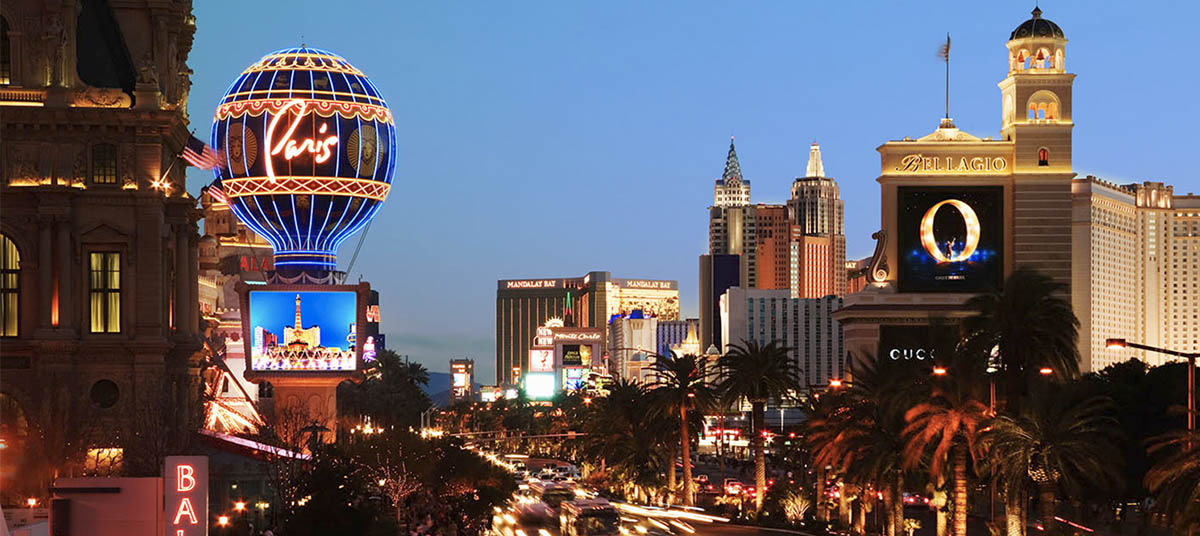
For many of our clients in the Phoenix and Mesa areas, a quick trip up to Las Vegas is a standard weekend getaway. Las Vegas has long positioned itself as the preeminent entertainment capital of the world, offering a rotating door of residencies, championship sporting events, and high-profile concerts. However, a growing trend is catching the attention of savvy travelers and budget-conscious fans alike: seeing the same artist in Las Vegas frequently costs significantly more than attending the same tour in other major cities. Even when compared to nearby destinations like Los Angeles or Denver, the price gap is becoming harder to ignore.
The discrepancy isn’t always obvious at first glance. It is often a combination of hidden fees, specific state-level taxes, and the general “Vegas premium” that creates a surprising total at checkout. At New Beginnings One Stop Tax Help, we often help clients navigate the complexities of budgeting for lifestyle and travel, and understanding these hidden costs is essential for making informed financial decisions.
The Kendrick Lamar Case Study: A Tale of Two Cities
One of the most revealing head-to-head comparisons surfaced during the analysis of Kendrick Lamar’s 2025 tour. According to price data cited in local Las Vegas reports and expanded upon by Casino.org, the financial difference between his May 31 performance at Allegiant Stadium and his May 24 show at SoFi Stadium in Los Angeles was telling.
Base Ticket Price: Surprisingly, the base price for the Las Vegas show initially appeared slightly lower than the Los Angeles counterpart.
The Final Total: Once the transaction was processed, the roles reversed dramatically.
Las Vegas Final Price: Approximately $520.25 per ticket.
Los Angeles Final Price: Approximately $478.30 per ticket.
Ultimately, fans paid roughly $42 more per ticket simply for the privilege of seeing the show in Las Vegas. This price hike wasn't due to the performer or the production value, but rather a steep accumulation of service fees, facility charges, and Nevada’s unique Live Entertainment Tax. In many cases, the true cost remains obscured until the final confirmation page, catching many fans off guard.
The Beyoncé Effect: Paying for the Experience
The trend continues when looking at the biggest names in the industry. Industry analysts reviewing Beyoncé’s recent tour pricing found that Las Vegas shows at Allegiant Stadium carried an average price tag 23% higher than her stops in other major U.S. metropolitan areas.
This premium wasn't just a byproduct of the secondary resale market. It was a reflection of several structural factors:
Aggressive demand from international and domestic tourists.
A limited number of massive-scale venues capable of hosting such productions.
Promoter strategies that prioritize high-margin premium seating.

In diversified markets like Chicago or New York, multiple stadiums compete for bookings, and a higher percentage of the crowd consists of local residents who are more price-sensitive. In Las Vegas, the audience is largely composed of visitors who have already committed to a vacation budget and are more likely to absorb higher costs.
Zach Bryan and the Psychology of the Vacation Budget
Country music standout Zach Bryan provides yet another example of this regional pricing shift. Data indicates that his Las Vegas tour dates averaged about 16% more than his performances in other cities. Again, the product on stage was identical—the difference was the venue's zip code.
Promoters recognize that Las Vegas attendees often fall into specific categories:
Travelers who have already invested in flights and lodging.
Fans viewing the concert as the “anchor event” of a larger trip.
Individuals more likely to splurge on VIP add-ons or premium food and beverage packages.
This psychological shift—moving from a “local night out” mindset to a “vacation experience” mindset—allows for more aggressive pricing strategies that simply wouldn't hold up in more traditional markets.

The Structural Drivers Behind the Higher Costs
Why exactly does a ticket in Nevada end up costing so much more than one in Colorado or California? It comes down to three primary pillars.
1. Taxes and Fees are the Real Culprits
While the sticker price might look comparable, Nevada’s Live Entertainment Tax (LET) is a significant factor. When you layer this on top of standard venue facility fees and digital service charges, the add-ons can represent a substantial percentage of the total cost. In many other states, the tax burden on entertainment tickets is either lower or structured differently, allowing the final price to remain closer to the advertised base rate.
2. The Concentration of Demand
Las Vegas is a destination built for consumption. Unlike Phoenix or Mesa, where most concert-goers drive home to their own beds, nearly every attendee at a major Vegas show is paying for the full ecosystem of travel. This high concentration of “disposable” vacation income creates an environment where there is little incentive for promoters to lower prices.
3. The Venue Scarcity Factor
While Las Vegas has many showrooms, it has a limited number of massive stadiums like Allegiant Stadium. In a city like Los Angeles, a tour might have the choice between several stadiums and arenas, creating a competitive environment. In Vegas, for the world’s biggest stars, there is often only one place to play, giving the venue significant leverage over pricing and fees.
The Total Cost of the Vegas Trip
Even if you managed to find a ticket for the same price as a show in Denver, the secondary costs of a Las Vegas trip often push the total much higher. Consider these factors:
Hotel Occupancy Taxes: In Las Vegas, these hover around 13.38%, making them some of the highest in the country.
Resort Fees: Most major properties on the Strip add $30 to $50 per night in mandatory fees that are not included in the initial room rate.
Transportation and Dining: High-demand weekends often see surge pricing for rideshares and inflated menu prices at resort restaurants.

Conversely, attending a show in a city like Los Angeles might allow for more flexibility, such as staying with friends, utilizing public transit, or choosing from a wider variety of budget-friendly dining options that aren't tied to a casino floor.
When a Las Vegas Show Still Makes Financial Sense
Despite the added costs, there are times when heading to Vegas is the right choice. It remains a viable option if:
The artist is performing an exclusive residency that isn’t touring elsewhere.
You are combining multiple shows or events into a single “bundled” weekend.
You have the flexibility to book mid-week or months in advance to mitigate travel costs.
However, the days of assuming Las Vegas offers the best value for entertainment are largely behind us. The data is clear: seeing Kendrick Lamar costs $42 more in Vegas, Beyoncé carries a 23% premium, and Zach Bryan tickets are 16% higher than in other tour cities. For those looking to maximize their entertainment budget, the location of the show is now just as important as the performer on stage.
If you are planning your year and want to ensure your travel and entertainment spending aligns with your broader financial goals, our team at New Beginnings One Stop Tax Help is here to assist. Whether you need help with individual tax preparation or complex business tax planning, Channika Daniels, Vernon C Daniels Jr, and our experienced staff can provide the personalized guidance you need. Contact us today to schedule a consultation at our Phoenix or Mesa offices.
Beyond the Ticket: The Role of the Nevada Legislative Framework
Understanding the price discrepancy requires a look into the specific legislative mechanics that govern the Las Vegas entertainment market. Unlike many other states that rely on a standard sales tax for event tickets, Nevada utilizes a specialized Live Entertainment Tax, or LET. This is a 9% excise tax applied to the admission charge for any platform providing live entertainment with a minimum occupancy of 200 people. For residents of Phoenix or Mesa, where tax structures on similar events are often bundled differently or capped at lower rates, this 9% surtax is an immediate and unavoidable upward pressure on the final checkout price.
Furthermore, the LET isn't just a flat fee; it is calculated based on the total admission price, which means that as the demand-driven base price of a Kendrick Lamar or Beyoncé ticket rises, the tax burden grows proportionally. This creates a compounding effect that isn't as prevalent in cities like Denver or Los Angeles, where entertainment taxes might be fixed or non-existent depending on the venue's municipal agreement.
Dynamic Pricing and the Tourism Algorithm
Another factor that contributes to the Vegas premium is the sophisticated use of dynamic pricing algorithms. In a typical tour stop, a promoter might look at the local median income and historical ticket sales to set a price ceiling. In Las Vegas, however, the target demographic is the global traveler. Promoters and venues like Allegiant Stadium use data that accounts for hotel occupancy rates, flight arrivals, and even major convention schedules to adjust ticket prices in real-time.
When a major concert coincides with a high-traffic weekend—such as a holiday or a major trade show—the pricing algorithms assume a lower level of price sensitivity among attendees. They recognize that if a fan has already spent $600 on a flight from Phoenix and $400 a night for a room at a major resort, an extra $50 or $100 on a concert ticket is unlikely to deter the purchase. This "sunk cost" psychology is a cornerstone of the Las Vegas economic model, and it is a primary reason why tickets for the exact same tour are consistently listed at higher rates than in less tourism-dependent markets.
The Hidden Economy of the Strip: Resort Fees and Infrastructure
While the ticket itself is the most visible expense, the financial reality of attending a show in Las Vegas is tied to the broader resort economy. For our clients who travel from the Mesa or Phoenix area, the advertised room rate is often just the starting point. Mandatory resort fees, which cover everything from high-speed internet to fitness center access, are now standard across nearly every property on the Strip. These fees, which can range from $30 to over $50 per night plus tax, are not optional and are rarely included in the initial search results on travel booking sites.
Additionally, the infrastructure of the Strip is designed to facilitate spending at every turn. Parking at major venues, which used to be a complimentary perk for casino guests, has largely shifted to a paid model, with rates spiking during major events. When you combine the Live Entertainment Tax, the high hotel occupancy tax, mandatory resort fees, and event-day parking rates, the "true cost" of a concert weekend can easily double the initial budget of a fan who only looked at the face value of the ticket.
Navigating Business Deductions for Entertainment and Travel
For the self-employed individuals and business owners we serve at New Beginnings One Stop Tax Help, the high cost of Las Vegas entertainment raises important questions regarding tax deductibility. It is a common misconception that if you take a client to a high-profile concert in Las Vegas, the tickets are a deductible business entertainment expense. Under current IRS regulations, particularly following the Tax Cuts and Jobs Act, the deduction for business-related entertainment has been largely eliminated. Even if the event is used for networking or client appreciation, the cost of the tickets—including those inflated Vegas fees—is generally non-deductible.
However, the travel and lodging components of the trip may still offer tax advantages if the primary purpose of the visit is business-related. For example, if you are attending a professional conference or meeting with vendors in Las Vegas and choose to attend a concert during your downtime, your airfare from Sky Harbor and your hotel stay may still be deductible, provided you meet the IRS requirements for business travel. This is where the expertise of an IRS Enrolled Agent or a Certified Tax Resolution Specialist becomes invaluable. We help our clients distinguish between personal lifestyle choices and legitimate business expenses, ensuring that your weekend in the entertainment capital doesn't lead to an unwanted audit or tax debt issue down the road.
Comparing Regional Venue Competition
The lack of competition among venues in Las Vegas also plays a role in the pricing tiers. In the Los Angeles basin, a touring artist can choose between SoFi Stadium, the Rose Bowl, BMO Stadium, or several high-capacity arenas. This competition forces venues to keep their facility fees and ancillary charges competitive to attract the biggest tours. In Las Vegas, for a stadium-level production, Allegiant Stadium is often the only viable option. This near-monopoly on high-capacity events allows the venue to command higher facility fees, which are ultimately passed down to the consumer.
For fans in the Southwest, the choice between a show in Phoenix or a trip to Las Vegas is no longer just about the excitement of the Strip; it is a complex financial calculation. By understanding the interplay of the Live Entertainment Tax, dynamic pricing models, and the lack of venue competition, travelers can better prepare for the reality of the Vegas premium. Whether you are managing your personal finances or looking for the most efficient way to handle business travel, staying informed on these regional cost drivers is the first step toward maintaining a healthy financial roadmap.
Sign up for our newsletter.
Each month, we will send you a roundup of our latest blog content covering the tax and accounting tips & insights you need to know.
We care about the protection of your data.